My dream come true, a truly dark site to image deep sky objects
The Lozano Observatory is a privately owned, privately operated observatory located near Junction Texas owned by Robert and Lynn Lozano. I built the observatory to capture remote images of deep sky objects. Our telescopes are operated remotely from our home in Bulverde, and are designed for deep sky astrophotography. I designed the observatory to be semi-autonomous based on which objects I wish to image. Setting a goal of as close to 100% reliability has been a tremendous challenge! I am hopeful the end result will produce incredible images for years to come!
I have made a commitment to creating
beautiful images of the night sky
The Lozano Observatory, grew from a love for astronomy to a desire to image the night sky. I am completely self taught (and the quality of my images bears witness to this fact). Occasionally, I make some of my images availble for purchase to those interested and offer free information on creating your own observatory. At some point, I may host small, informal viewing sessions.
So, you want to build an observatory? My advice:
Building an observatory is a commitment that will challenge your sanity, family time and finances! One thing is essential when building an observatory, reliability! Building an observatory will be a lesson in planning, desiging, building and testing for weeks or months! I have built two observatories and the first one was only 30 minutes from our house and very straining to build. The second site is 135 miles from our house and literally nearly killed me! My wife's support and determination in helping me to get the work done was essential to the success of the observatory!
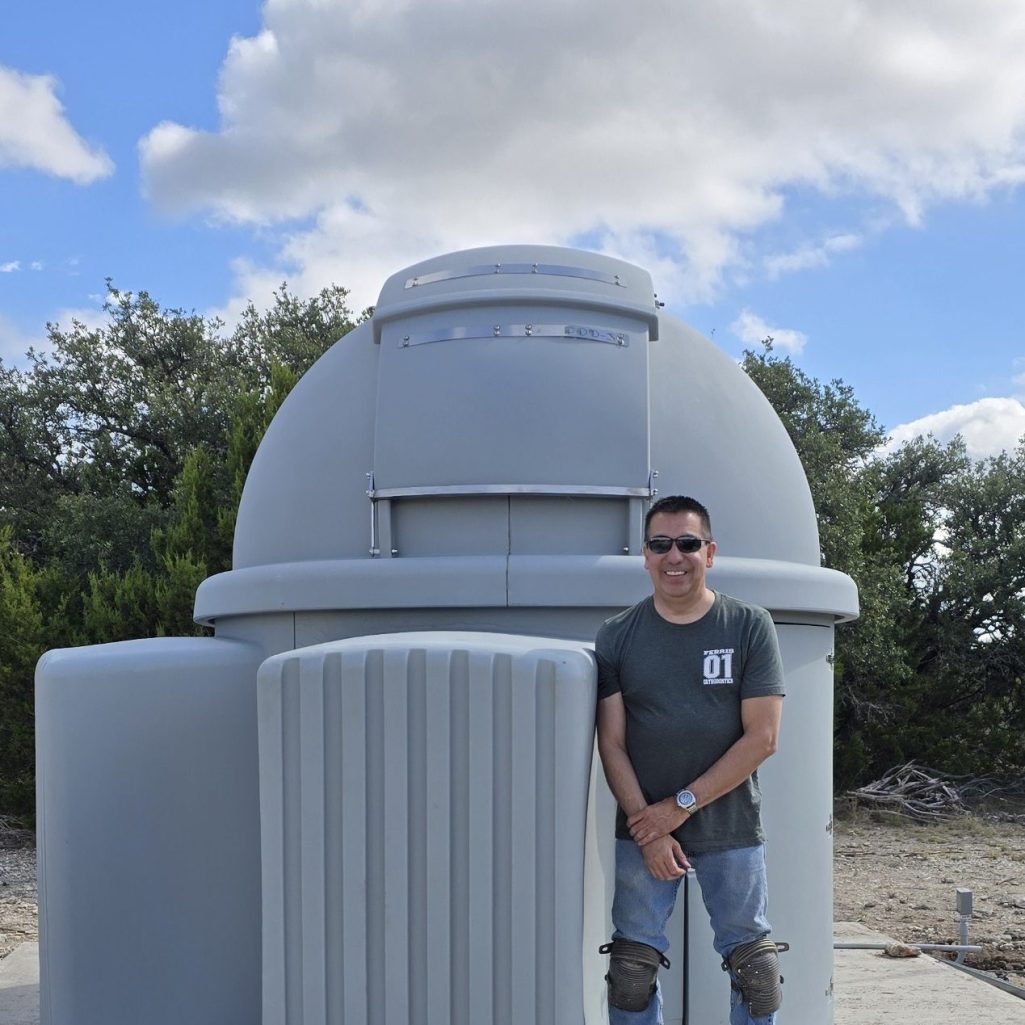
I have 20 years of remote observatory experience and would highly recommend the Sky Shed POD-S dome for your new site.
What's your budget?
Do you want a permanent observatory or PVC walls with black canvas set up in a hexagon shape clamped together set up nightly like I started with in San Antonio?
If you plan to build an observatory, you will spend from $5,000 for a small roll off roof to ~$12,000 (including shipping) for an 8' Sky Shed POD-S with 4 bays.
Our slab added another $3,000 to the budget. Keep in mind, these costs are just to house the telescope and equipment. Installing the electric was outragously expensive for installing a single pole but given the situation, it was essential. Solar power would have been just as expensive and I'd have to do all the work!
Run the numbers, perhaps renting space at a site like https://starfront.space/ would be better in your situation.
Reliability
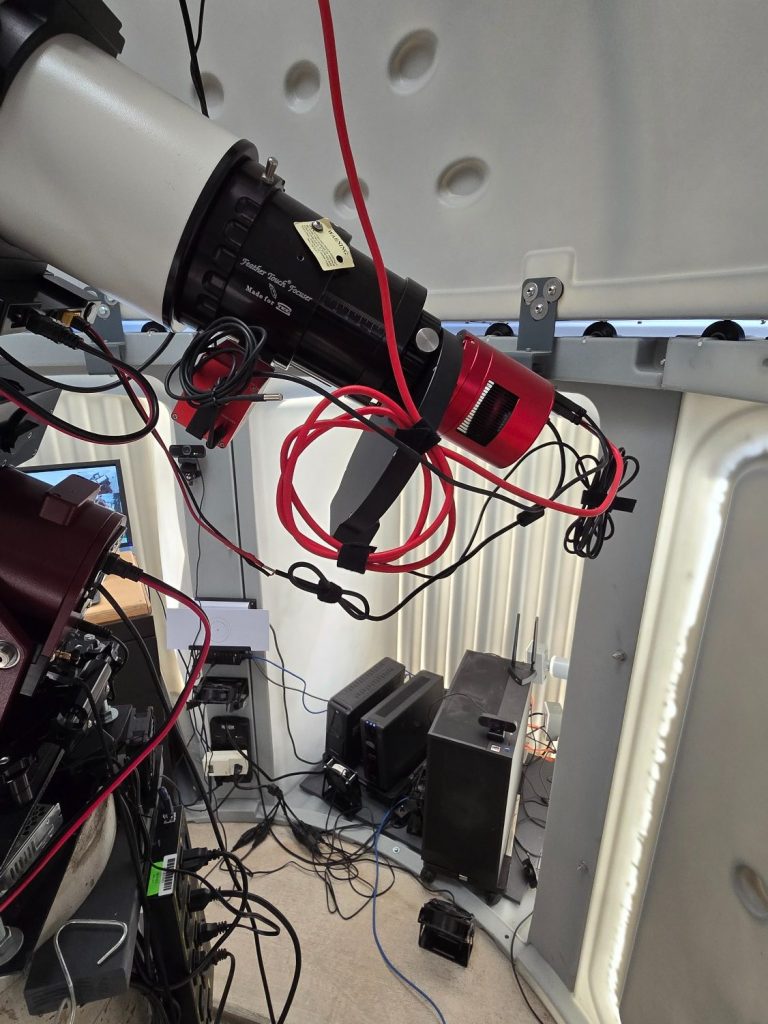
A remote observatory MUST be as close to 100% reliable as possible. I have seperate UPS for my computer and Starlink. 7 thermostatically controlled fans for cooling the UPS, PC and Starlink. I also will be installing an IP KVM to assure I can remotely control my PC.
Thinking about what could happen is essential. What if lightning strikes? I have two network surge protectors grounded to the pier power outlet ground wire in the unlikely event lightning travels through the NIC.
What happens is the power is knocked out for several hours? I bought large UPS units. I set my computer BIOS to bring the computer back up once power is detected. I have solved all these issues and more by creating back-up systems and CHECKLISTS!
Bortle skies matter!
The Bortle scale, developed by amatuer astronomer John Bortle is used to classify sky brightness. The scale ranges from Bortle 1, where most professional observatories are located to Bortle 9 (inner cities) where only the brightest stars are visible. Click here to learn more about what you can expect to see under different Bortle skies.
Our observatory is fortunate to be located on Bortle 2 skies!
Choose your equipment to suit your needs. Most city lights will wash out most telescopes. Choose a scope with fast optics (like an f/5 scope faster).
If you live near a large city select a fast optical scope like a Celestron Origin f/2 scope. You won't be disappointed. Robert Reeves, a well-known astonomer, has taken excellent images from the middle of San Antonio, a city of almost two million people using a Celestron Origin scope!
Dome of Roll off Roof?
Building the roll off would have been 100% on me if something failed or didn't line up properly. The POD-S structure I chose is a proven system with amazing support and cost about $2,500 less than my roll-off design. As a bonus the dome would be better for imaging during slightly windy nights and protect from light pollution (fortunately, this is not an issue for me).
CMOS Cameras Deep Sky or Planets?
Choose wisely: When I first started I wanted a camera to just place on a telescope and take pictures. I quickly found out it doesn't work this way. Your choice of telescope and camera will be essential to your success. This site will provide you a guide to match your telescope to your camera astronomy.tools
Decide what you want to image, galaxies, clusters and nebulae or planets and the Moon.
Deep sky cameras collect image data with dim light and take HOURS to collect images worth processing and posting. Planetary images typically use faster optics and cameras and are in a different class of cameras.
DSLR Cameras
If you desire to get started right away, buy a DSLR camera with a wireless remote and the largest sensor you can afford (used cameras are fine). I personally started with a Nikon D40 and loved it! I have a D5200 now and use it occasionally.
Make sure you can manually adjust the f stop and ISO settings. Purchase a lens that is an f/1.4 or f/2, say a 50mm. These lenses are moderately priced and will yield great results. Remember, the sky moves so you will only be able to take a 20 second or so image before stars become oblong. Take 10-20 images and use a photo program to stack them to create an impressive image.
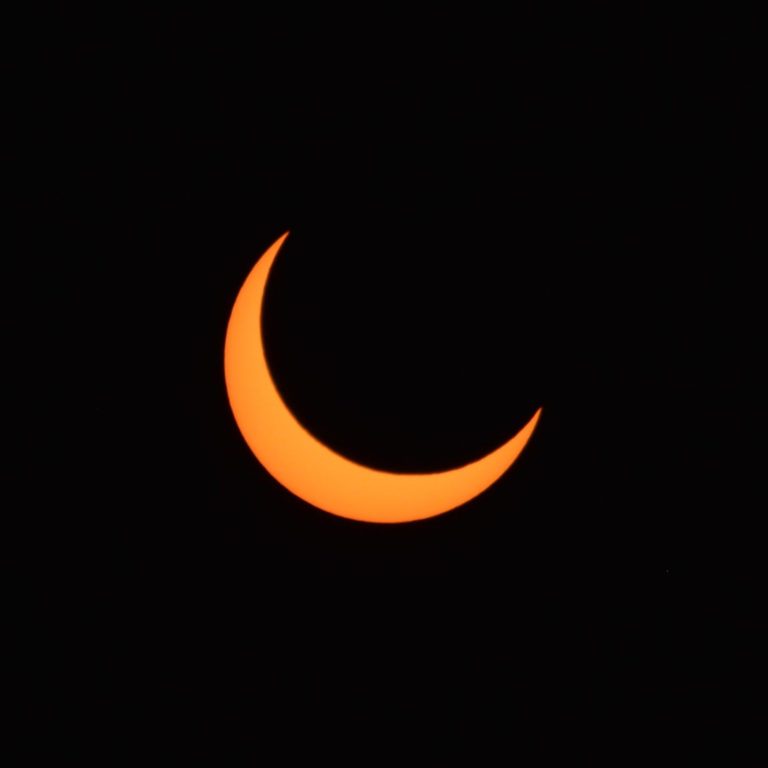
Partial solar Eclipse
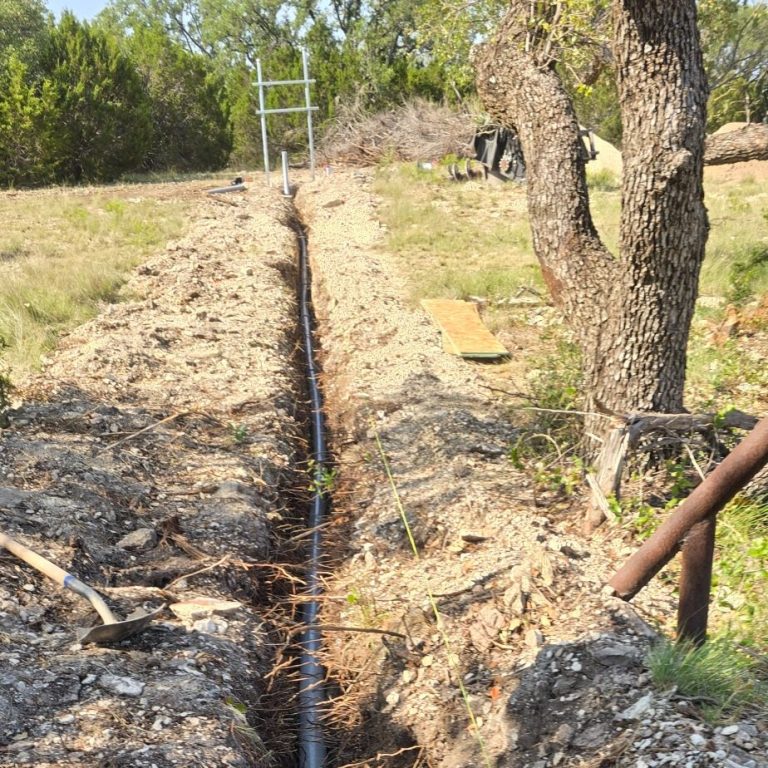
90 foot 28" deep trench
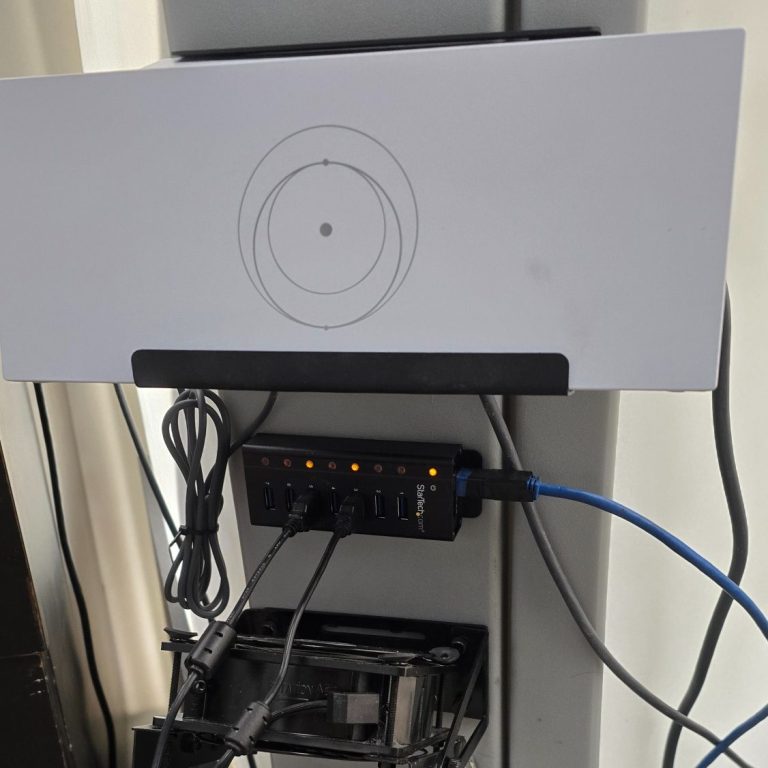
Starlink, USB Hub, Cooling fan
Main power and Cat6 lines outside the observatory
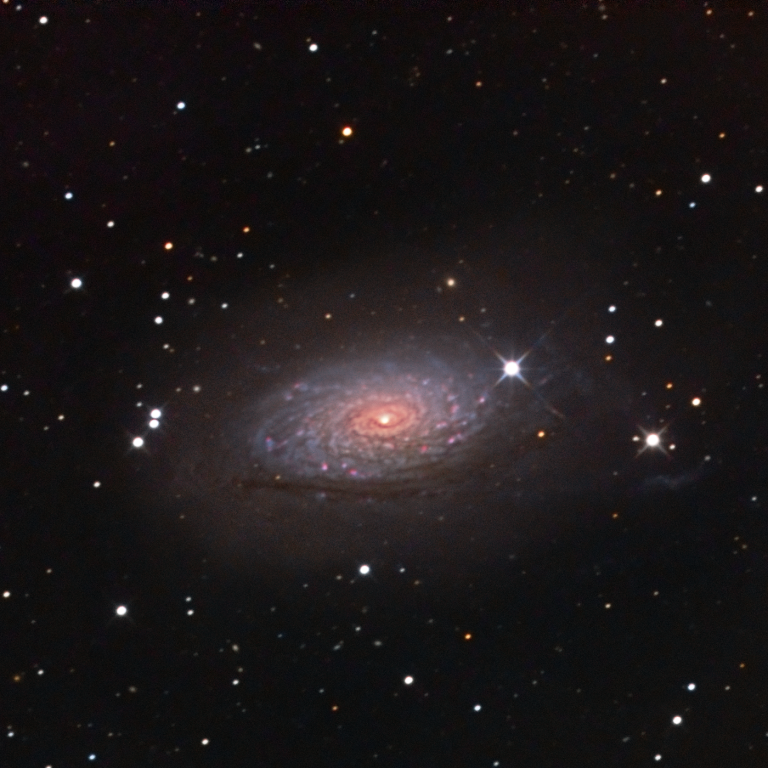
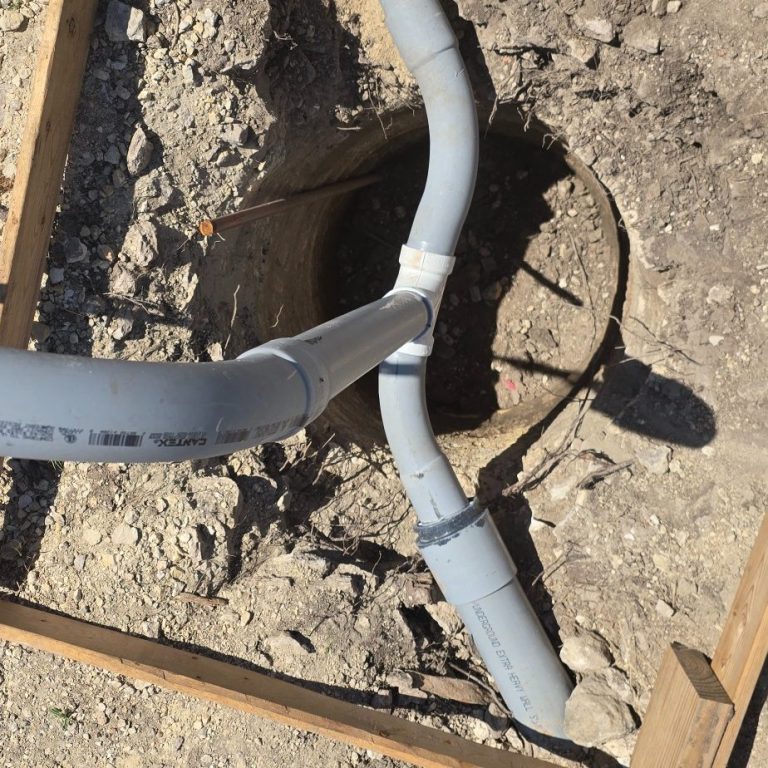
M63, The Sunflower Galaxy
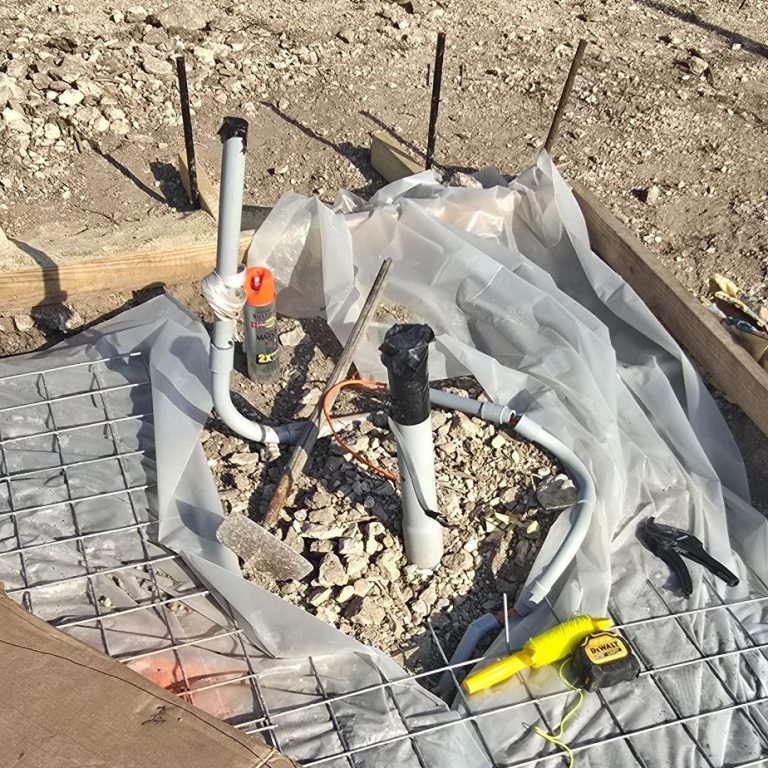
The pier base, 20" in diameter, 36" deep, conduit for main power
Astrophotography- How do I do it?
Learning how to capture images of the night sky has been a journey; sometimes a soul-crushing journey. The learning curve is steep and requires patience, quite a bit of money and an excess of humility. I have had many dedicated imaging cameras throughout the years, all of them strictly for deep sky imaging.
Camera technology has made dramatic advances recently and the current wave favors back illuminated CMOS sensors which are more sensitive and offer less noise.
To capture images of deep sky objects requires a very steady mount, a quailty telescope and a lot of patience. Typically, to acquire the image you leave the camera shutter open for a full 10 minutes or so. Remember, the sky moves so the telescope mount must be prescise enough to not create oblong stars. Click on the DIscover More button below for a more comprehensive explaination.
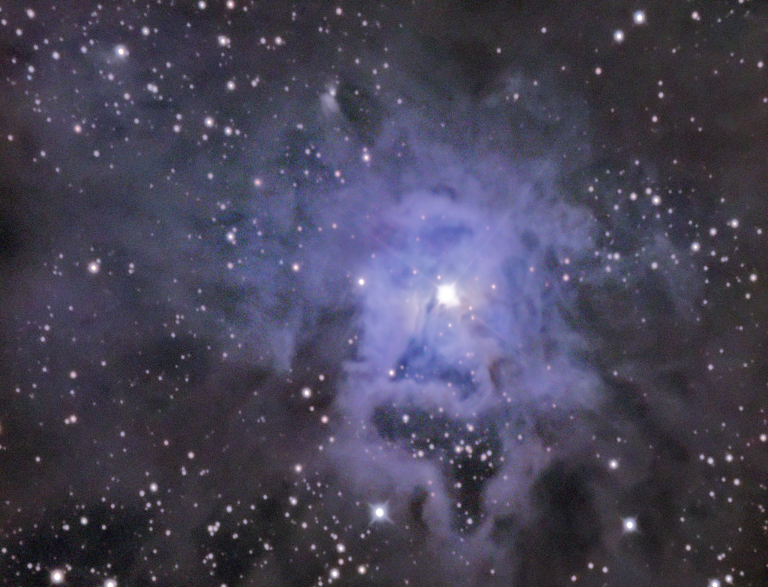
The image to the right is the Iris Nebula which was taken by me during the summer of 2020. The image was captured with an Astrotech 10" RC scope, mounted on a Paramount MX+, taken with an SBIG STT-8300M camera and Astrodon Gen II LRGBHA 36mm filters. Each filter was exposed 80 minutes for a total exposure of 6 hours 40 minute
Contacting the ISS!
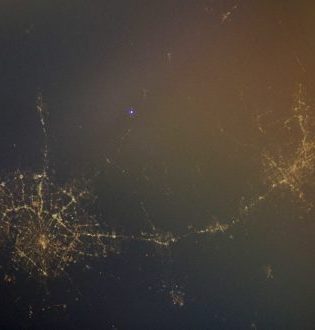
On March 3rd, 2012 we were a part of a group of astronomers that contacted the crew of the ISS using light! Our role was providing the site for the San Antonio and Austin Astronomical societies to contact the station. Famed Lunar astronomer, Robert Reeves befriended Astronaut Don Pettit and arranged the entire event.
A lot of people thought this would be an easy event but think about this: the ISS had to be visible from our site (9 miles south of Blanco Texas), it had to be at night when the crew would not be busy with their required duties and the skies over our site had to be clear. Needless to say, everything had to be perfect!
We used 2 high powered spot lights and a 1 watt Blue laser mounted on a rifle like mount. Don was able to document our success by imaging our site as the ISS flew over and even wrote a blog on the event!
The blue dot in the upper center is our site, San Antonio is at lower left and IH 35 on the right edge leading to Austin on the right upper edge. The yellowish color in the image is due to the sun glow relecting off the bottom of the ISS cupola.
Click on the Buttons below to read some of the articles written about the event!