My dream come true, a truly dark site to image deep sky objects
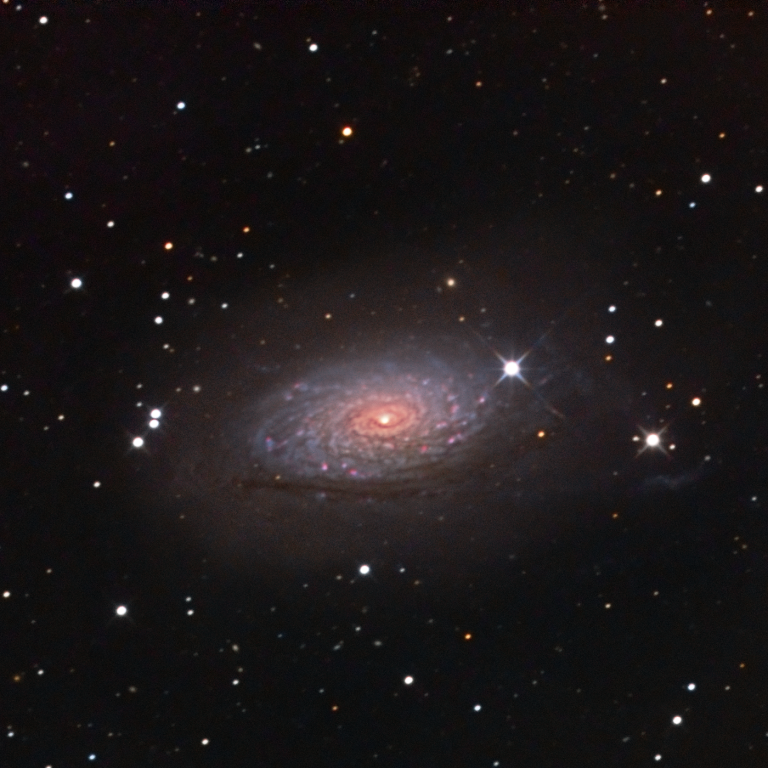
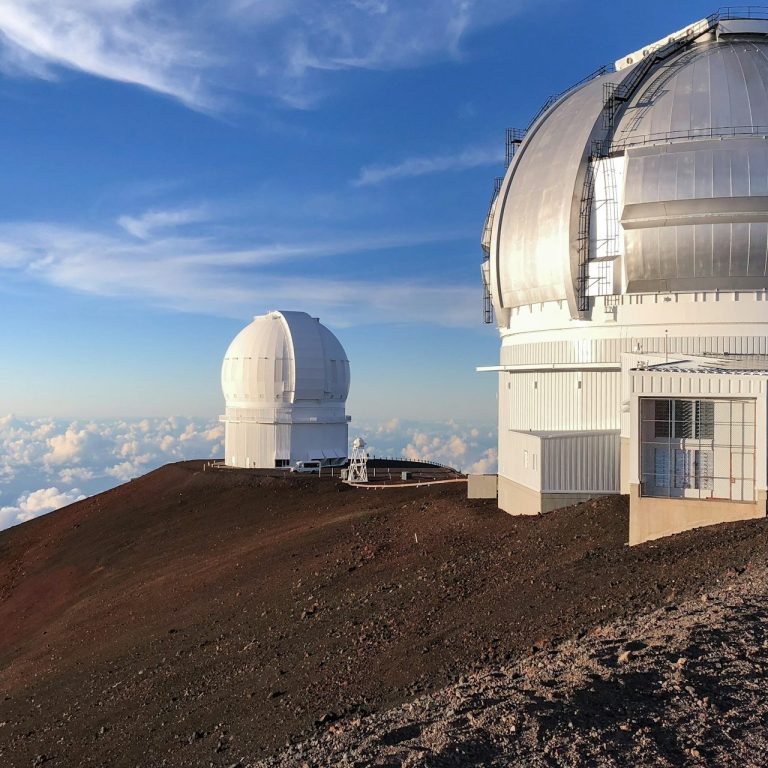
The Lozano Observatory is a privately owned, privately operated observatory located near Junction Texas. I built the observatory take remote images of deep sky objects. My telescopes are operated entirely remotely and are designed for astrophotography. I designed the observatory to be semi-autonomous based on which objects I wish to image.
I have made a commitment to creating beautiful images of the night sky
The Lozano Observatory, grew from a love for astronomy to a desire to image the night sky. I am completely self taught (and the quality of my images bears witness to this fact). Occasionally, I make some of my images availble for purchase to those interested and offer free information on creating your own observatory. At some point, I may host small, informal viewing sessions.
So, you want to build an observatory?
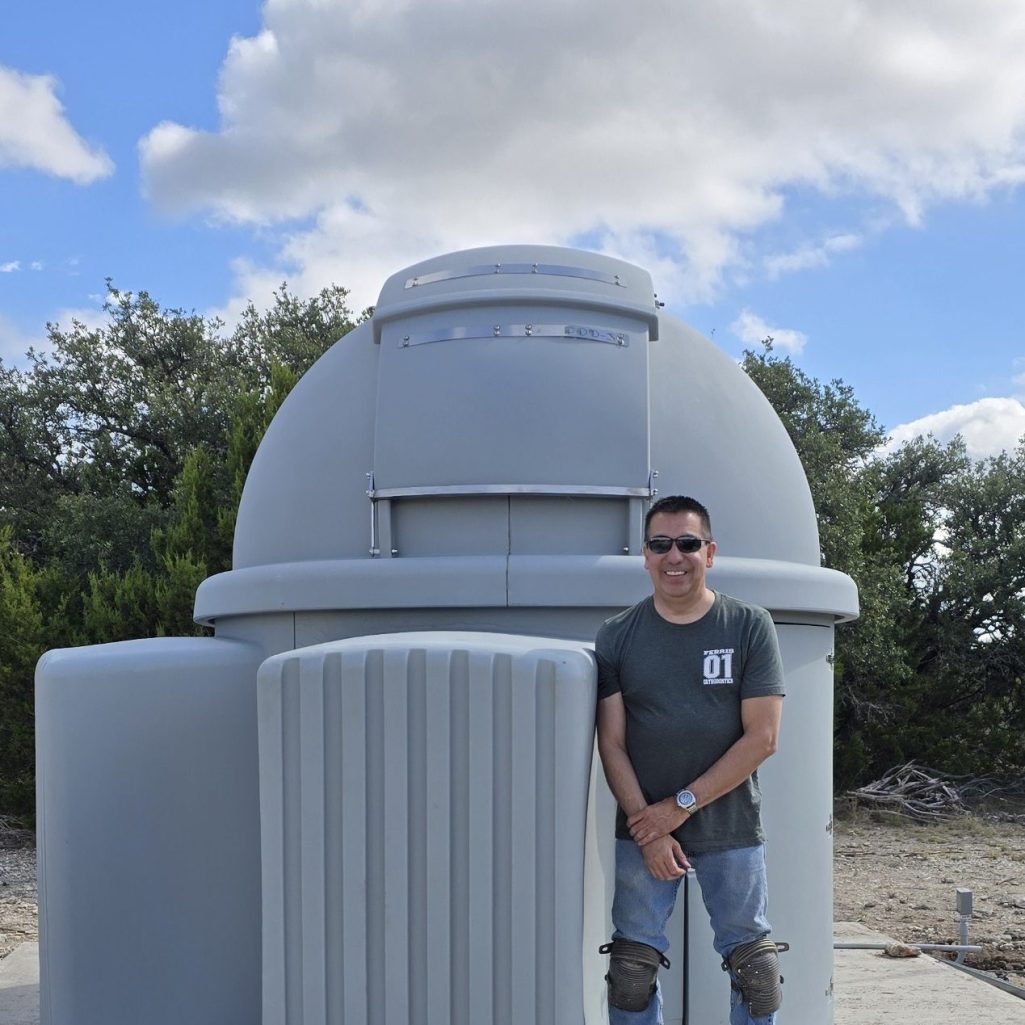
Building an observatory is a commitment that will challenge your sanity, marriage and finances! I have built two observatories and the first one was only 30 minutes from our house and was very straining to build. The second site was 135 miles from our house and literally nearly killed me! One thing is essential when building an observatory, reliability! I have 20 years of remote observatory experience and would highly recommend the Sky Shed POD-S dome for your new site.
Bortle skies matter!
We live in a time when most people don't know or care about the night sky. If you live near a city and want an observatory, GO FOR IT! Choose your equipment to suit your needs. Most city lights will wash out most telescopes. Choose a scope with fast optics (like an f/5 scope faster). If you live near a large city select a fast optical scope like a Celestron Origin f/2 scope. You won't be disappointed. Robert Reeves, a well-known astonomer, has taken excellent images from the middle of San Antonio, a city of two million people using a Celestron Origin scope!
CMOS Cameras Deep Sky or Planets?
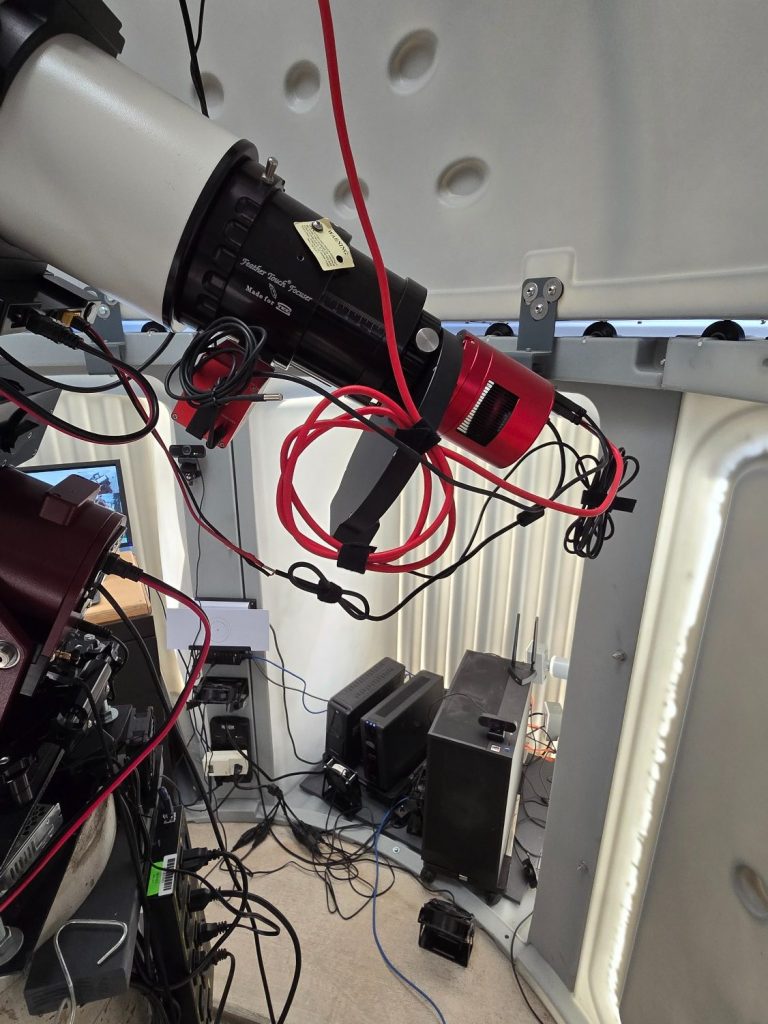
Choose wisely: When I first started I wanted a camera to just place on a telescope and take pictures. I quickly found out it doesn't work this way. Your choice of telescope and camera will be essential to your success. This site will provider you a guide to match your telescope to your camera astronomy.tools
Decide what you want to image, galaxies, clusters and nebulae or planets and the Moon.
Deep sky cameras collect image data with dim light and take HOURS to collect images worth processing and posting. Planetary images typically use faster optics and cameras and are in a different class of cameras.
What's your budget?
A telescope worth taking images is expensive. It's not just about the telescope, its about the mount holding the telescope and how accurate that mount is regarding its tracking of the night sky. Presently, I would recommend the Celestron Origin for imaging if you are interested in beginning to capture images. Click on the link below and search for the Celestron Origin telescope.
DSLR Cameras
If you desire to get started right away, buy a DSLR camera with a wireless remote and the largest sensor you can afford (used cameras are fine). I personally started with a Nikon D40 and loved it! I have a D5200 now and use it occasionally. Make sure you can manually adjust the f stop and ISO settings. Purchase a lens that is say f/1.4 or f/2, say a 50mm. These lenses are moderately priced and will yield great results. Remember, the sky moves so you will only be able to take a 20 second or so image before stars become oblong. Take 10-20 images and use a photo program to stack them to create an impressive image.
Total Visitors
200
Workshops Conducted
120
Public Events Held
Astrophotography- How do I do it?
Learning how to capture images of the night sky has been a journey, sometimes a soul-crushing journey. The learning curve is steep and requires patience and humility. I have had many dedicated imaging camera throughout the years, all of them strictly for deep sky imaging.
Camera technology has made dramatic advances recently and the current wave favors back illuminated CMOS sensors which are more sensitive and offer less noise.
Public Observing Nights
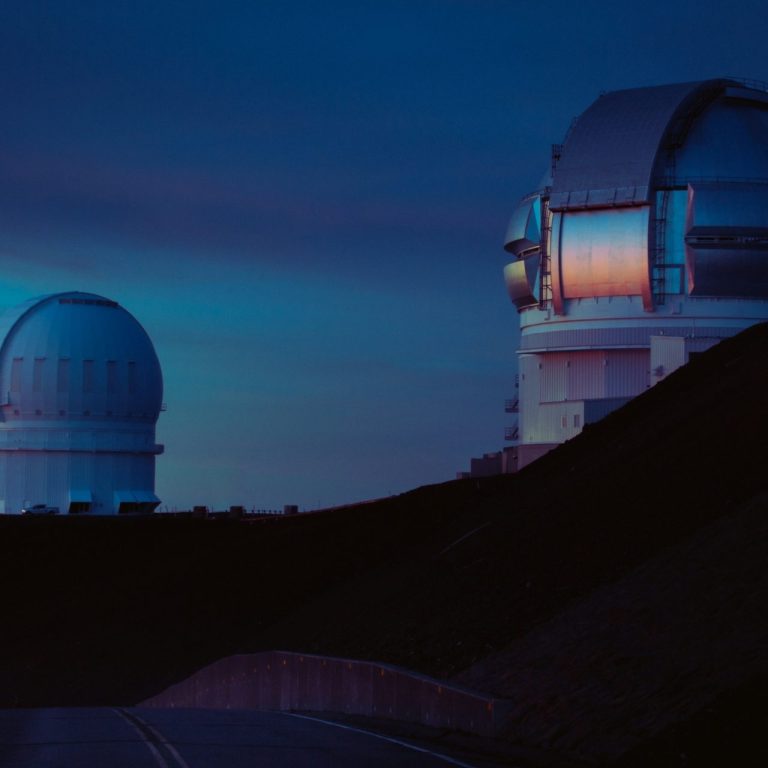
Join our public observing events to explore the night sky through high-powered telescopes, guided by our knowledgeable staff.
Educational Programs
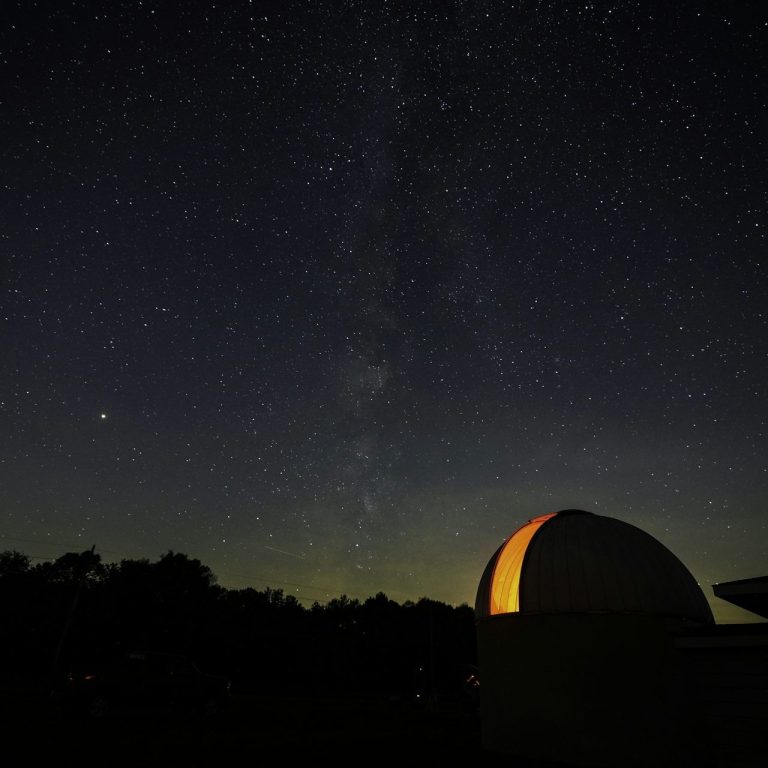
Engage with our educational programs aimed at students of all ages. Explore astronomy concepts through interactive learning.
Exhibits and Displays
Experience our carefully curated exhibits showcasing the latest in astronomical research and technology.